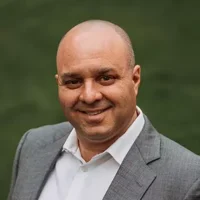
HybridChart’s founder and CEO was recently featured on The Innovators Podcast speaking to smarter hospital rounding and workflow efficiencies for modern medical specialists. The below extrapolates the key details discussed in the podcast.
Key Takeaways for Smarter Hospital Rounding
-
The “70/30” Problem: Physicians are currently spending 70% of their time on clerical work and only 30% on patient care—a metric that leads to burnout and revenue loss.
-
The “Wild West” of Rounding: While office workflows are usually structured, hospital rounding often relies on “scotch tape and dental floss” processes that cause missed charges and poor discharge management.
-
The Secret to Value-Based Care: The most effective way to succeed in VBC is not by adding more clicks for the doctor, but by using a tool that automates data capture in the background while the doctor focuses on patient care.
If you feel like you are working harder but seeing less return, you aren’t imagining things. In a recent episode of the Innovators Podcast, Dr. Gregory Sanders—a practicing cardiologist and founder of HybridChart—highlighted a staggering statistic: physicians are now spending roughly 30% of their time on patient care and 70% on administrative tasks.
For doctors who round in hospitals, this imbalance is magnified. Leaving the structured environment of the clinic to round in the hospital is often like entering the “Wild West”—disorganized, disconnected, and reliant on paper scraps.
But it doesn’t have to be this way. Dr. Sanders breaks down how combining a developer’s mindset with a physician’s reality can solve the four biggest pain points of rounding, protect your revenue, and ultimately, get you home in time for dinner.
The HybridChart Approach to Hospital Rounding
1. Solving the “Wild West” of Hospital Rounding
Dr. Sanders notes that most practices have their office workflows dialed in. But the moment a doctor steps out to round at a hospital, rehab center, or skilled nursing facility, that structure collapses.
“When you leave doctors to piece together their own workflow, it’s with scotch tape and dental floss… There’s a lot of wasted time. There’s a lot of communication that doesn’t need to happen.” — Dr. Gregory Sanders
The disconnect leads to lost revenue and dangerous gaps in patient care. The solution isn’t just “working harder”; it’s about digital census management. By replacing paper lists with a centralized, mobile-first census, practices can immediately recover roughly one hour per provider, per week.
2. The Four Pillars of Efficiency
To get physician buy-in, software cannot be clunky. It must solve immediate pain points. Dr. Sanders outlines the four critical areas that HybridChart addresses to streamline the day:
-
Census Management: Real-time visibility on who needs to be seen, eliminating the morning scramble.
-
Charge Capture: Reducing the billing cycle from weeks to seconds. As Dr. Sanders puts it, a charge capture should take “two seconds for the doctor” and flow directly to the EHR.
-
Secure Communication: eliminating the liability of texting patient info and streamlining coordination between office staff and rounding providers.
-
Discharge Management: Bridging the gap between inpatient and outpatient care.
3. The “Secret” Fifth Benefit: Automating Value-Based Care
Perhaps the most profound insight from the interview is the “real reason” Dr. Sanders built HybridChart. While the four pillars above solve immediate workflow issues, they also serve as the foundation for automated Value-Based Care (VBC).
Doctors are too busy to manually flag high-risk patients or click extra buttons for population health metrics.
“If you ask the doctor to be your primary entry point to drive value-based care… The doctor’s not gonna do it very often.”
Instead, HybridChart uses the data the doctor is already entering (like a diagnosis code for heart failure) to trigger automated workflows—alerting the heart failure clinic, scheduling a follow-up, or ordering a BNP—all without the doctor lifting an extra finger.
4. Implementation: Don’t “Boil the Ocean”
Change management is the hardest part of adopting new technology. Physicians are often resistant because they fear losing control of their process or being left unsupported.
Dr. Sanders advises against trying to change everything overnight. Instead:
-
Pick your internal champion: Find the provider who is eager for a solution.
-
Start with a pilot: Smooth out the wrinkles with a small group.
-
Let the results sell themselves: Once the naysayers see their colleagues finishing rounds faster and missing fewer charges, adoption follows naturally.
The margin for error in medical practices is shrinking. As costs rise and reimbursements flatten, efficiency is no longer a luxury—it is a survival mechanism. By streamlining the rounding process, you don’t just protect your revenue; you protect your peace of mind.
Are you ready to stop using “scotch tape and dental floss” to manage your hospital rounds?
BOOK A DEMO with us directly and learn how you can improve efficiencies and recoup lost revenues.
To watch a recording of the podcast, visit here.