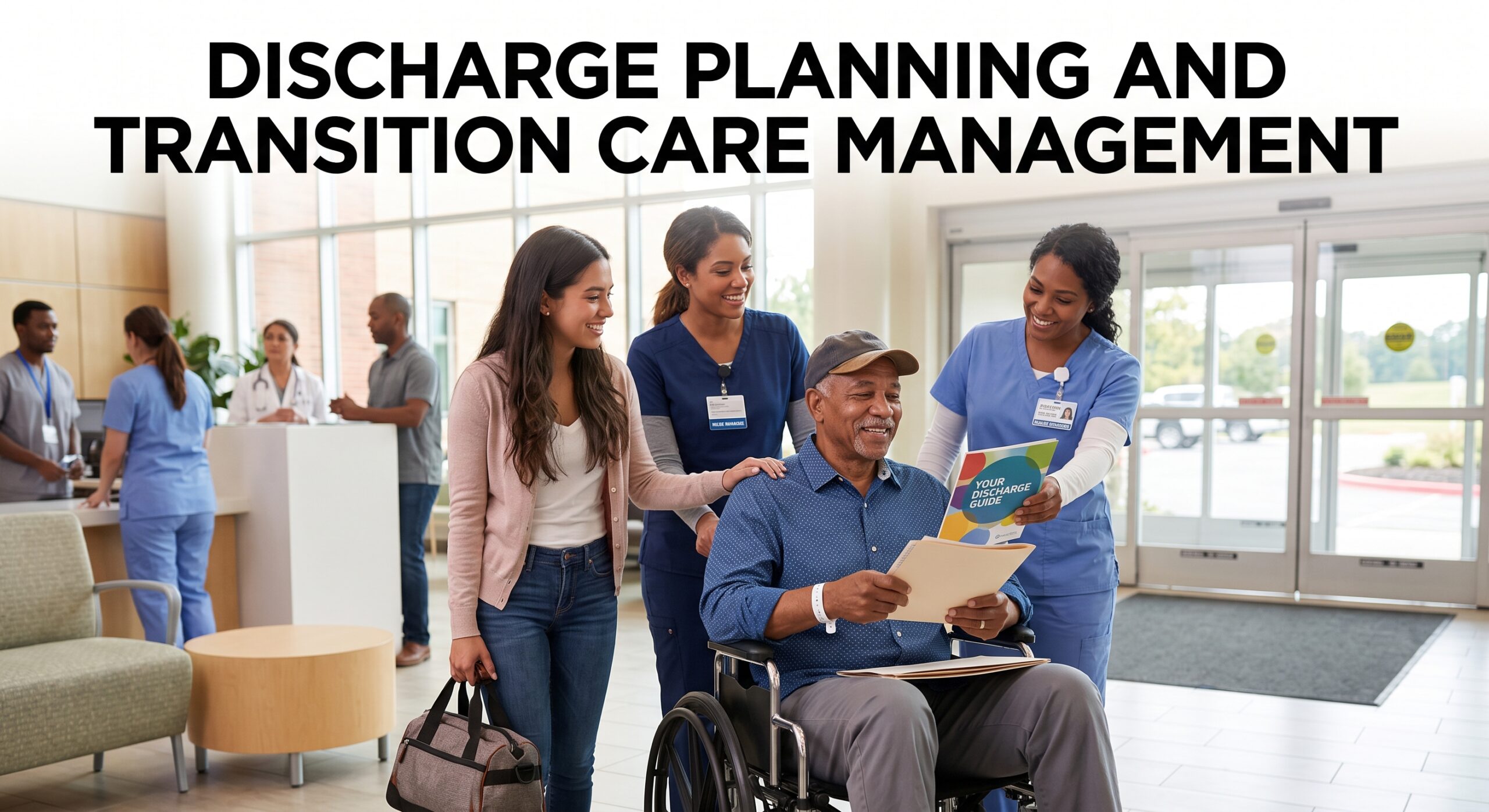
Discharge Planning and Transition Care Management determine whether your patient recovers successfully or returns to the emergency room within thirty days. Physicians invest heavily in bedside care, but the workflow often fractures the moment a patient leaves the hospital. You treat the acute condition, yet the recovery relies on what happens after discharge. A disconnect here undermines your clinical effort and results in significant revenue loss.
The Gap in Modern Healthcare
Most medical software separates inpatient and outpatient worlds. You have structure and support staff in your office. The hospital environment is different. You round at multiple facilities, often without immediate access to your office schedule or billing team.
In a traditional workflow, a patient leaves the hospital with instructions to call your office. The onus falls on the patient or their family to navigate this process. They must call, navigate phone trees, and hope for an appointment. Front desk staff are often unaware the patient was even hospitalized until that phone rings.
This reactive model creates a dangerous window where patients miss medications or skip follow-up appointments. Readmissions occur during this silence.
Discharge Management Changes the Workflow
HybridChart closes this gap by turning a reactive process into a proactive one. You manage the discharge at the point of care. With a few taps on your mobile device, you signal to your team that a patient is leaving the hospital. You specify follow-up needs, medication adjustments, and necessary testing immediately.
Your staff receives this data instantly. They do not wait for the patient to call. They contact the patient to schedule the Transition Care Management (TCM) visit before the patient even arrives home. This shift drastically improves patient satisfaction and adherence to care plans.
Efficiency for the Provider
Physicians often fear that adding discharge tasks to their rounding workflow increases their workload. The opposite is true. HybridChart is designed by physicians who understand the “3-Second Rule”. If a task takes longer than three seconds, you will not do it.
Entering discharge data takes seconds. It eliminates the need for later phone calls to the office or frantic texts to staff members. You communicate the plan once, at the bedside, and the system disseminates that information to the right people securely.
The Impact on Transition Care Management Revenue
Transition Care Management codes offer significant reimbursement but require strict documentation and timing. You must contact the patient within two business days of discharge and see them within 7 to 14 days. Paper-based systems or disconnected EHRs make hitting these targets difficult.
Practices utilizing HybridChart for Discharge Planning report a 70% increase in TCM capture. The software automates the timeline. It flags high-risk patients and tracks the necessary steps to bill TCM codes compliant with CMS standards. You capture revenue that you previously left on the table simply because the coordination was too difficult to track manually.
Why Administrators Prefer Discharge Planning
Charge capture is the primary reason practices adopt HybridChart, but Discharge Planning often becomes the team favorite. Administrators and billing staff gain visibility into a previously opaque process. They see exactly who is in the hospital, who is leaving, and who needs attention.
This feature creates a seamless loop. The doctor discharges the patient. The staff schedules the follow-up. The biller watches the cycle complete. The confusion of handwritten notes and missed voicemails disappears.
Better Data Leads to Better Outcomes
Value-based care models reward you for quality outcomes and low readmission rates. You cannot improve what you do not measure. HybridChart allows you to track high-risk populations, such as heart failure or pneumonia patients, and ensure they receive high-touch care immediately post-discharge.
You check a box—or let the system automate it based on your diagnosis—and the workflow triggers downstream actions. A heart failure nurse gets an alert. An echo is ordered. The system works for you.
Take the Next Step
Your current process likely relies on patients to manage their own transition of care. This is a risk to their health and your practice’s efficiency.
Schedule a Demo today to see how the Discharge Management feature works in a live environment.